
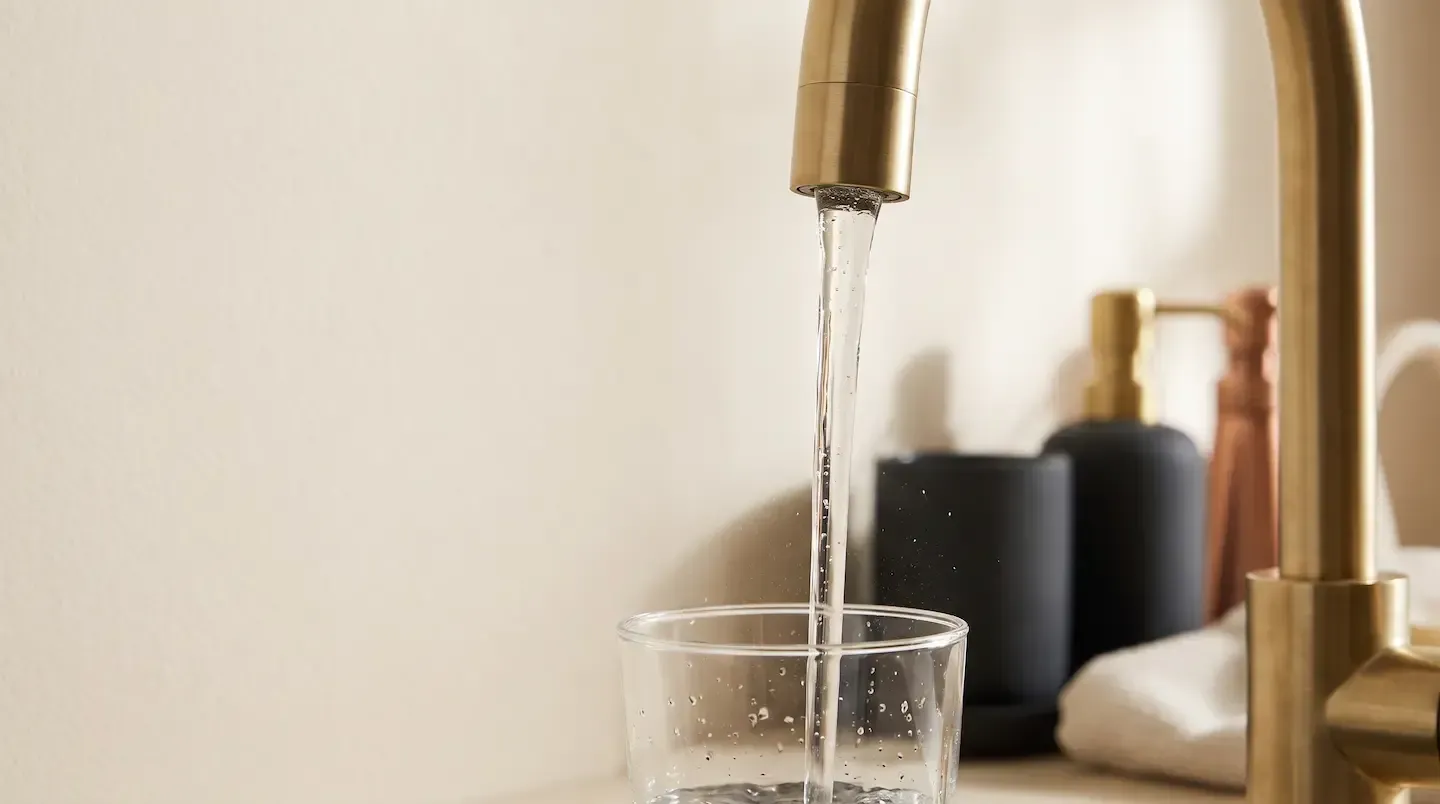
If you have ever wiped a chalky film off your kettle, watched a shower head slowly lose its spray, or noticed your glasses coming out of the dishwasher looking cloudy, you have met hard water. It is a fact of life for most households in Chard and across a good deal of Somerset, and while it is nothing to worry about from a health point of view, it does have a real effect on your plumbing, your heating and your bills. Here is a plain guide to what hard water actually is, why our part of the world has so much of it, and the practical things you can do to keep it under control. What makes water "hard" Hard water is simply water that has picked up a lot of dissolved minerals, mainly calcium and magnesium. Wessex Water, which supplies Chard and much of the surrounding area, explains that this happens as rainwater trickles down through layers of limestone and chalk underground. The rock is full of these minerals, and the water carries them along into the supply. Water for the Chard area is drawn from local sources and treated at Chard Town Treatment Works before it reaches your taps. Recent water quality data puts the hardness around South Chard at roughly 278 mg/l of calcium carbonate, which is comfortably above the England average of about 198 mg/l and sits firmly in the "hard" category. Hardness does vary from postcode to postcode, so your exact figure may differ from a neighbour a few streets away, but the general picture across Somerset and Dorset, which Wessex Water serves, is hard to very hard water. Parts of our wider patch in Devon are supplied by South West Water instead, where the figures can be different again, so it is always worth checking your own postcode on your water company's website. One reassuring point: hard water is perfectly safe to drink. Wessex Water even notes it carries some benefits, particularly for bone health thanks to the calcium. The downside is entirely about what those minerals do once they are inside your home. The trouble with limescale When hard water is heated or left to evaporate, the minerals are left behind as limescale, that familiar hard, chalky white deposit. Over time it builds up in all sorts of places. Kettles and shower heads fur up and lose performance. Taps and mixer valves can stiffen or start to drip as scale collects around the moving parts. Glassware and crockery come out cloudy. And you find yourself reaching for more soap, shampoo and washing up liquid to get the same result, because hard water and detergent simply do not get on. The bigger issue, and the one that costs the most, is what limescale does to your heating and hot water. Scale settles on the inside of boilers, hot water cylinders and immersion heaters, where it acts like a layer of insulation. Your system then has to work harder and burn more energy to push heat through it. Left unchecked, that means higher running costs, more strain on the appliance and a shorter working life. It is one of the quiet reasons a boiler in a hard water area can start to struggle earlier than it should. What you can do about it The good news is that there is plenty you can do, from simple habits to permanent solutions. The most thorough answer is a water softener. These units, usually plumbed in near where the water enters your home, swap the hardness minerals for sodium and give you genuinely soft water throughout the house. Wessex Water recommends leaving one kitchen tap unsoftened for drinking and cooking, and having the unit fitted by a competent, approved installer. A softener protects your whole system, appliances included, and most people notice softer skin and hair and a lot less cleaning within days. If a full softener is more than you need, a scale reducer or inhibitor fitted to the incoming mains or to the boiler is a smaller step that still helps protect your heating system. Scale protection of this kind is a common addition when a new boiler goes in, precisely because of our local water. On top of that, a few everyday habits go a long way. Descale the kettle and shower head regularly, wipe down taps and screens to stop scale taking hold, and book your boiler in for an annual service so that any scale building up inside can be spotted and dealt with before it becomes a real problem. Local help with hard water We are based in Chard and work with hard water day in, day out across Somerset, Devon and Dorset, so we know exactly what it does to local homes. Whether you want a water softener fitted, scale protection added when we install a new boiler, or simply an honest opinion on what would make the biggest difference in your home, we are happy to help. DC Plumbing and Heating is a family run business, Gas Safe and OFTEC registered and a Worcester Bosch accredited installer. To talk it through, give us a call on 01460 357021 . Sources: Wessex Water (water hardness and limescale guidance); local water quality data for the Chard area.
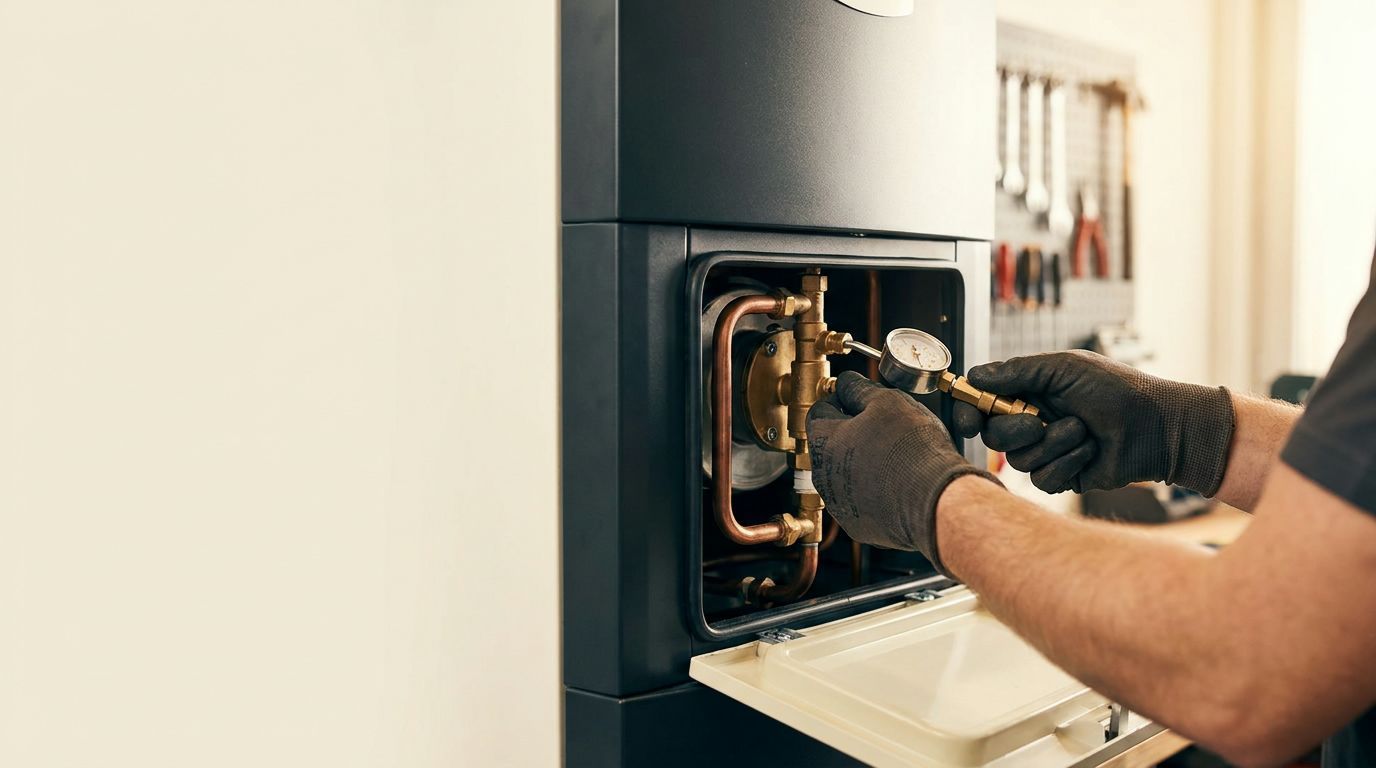
Why Your Oil Boiler Needs an Annual Service: Advice for Off-Grid Homes in Somerset, Devon and Dorset
Why Your Oil Boiler Needs an Annual Service: Advice for Off-Grid Homes in Somerset, Devon and Dorset